
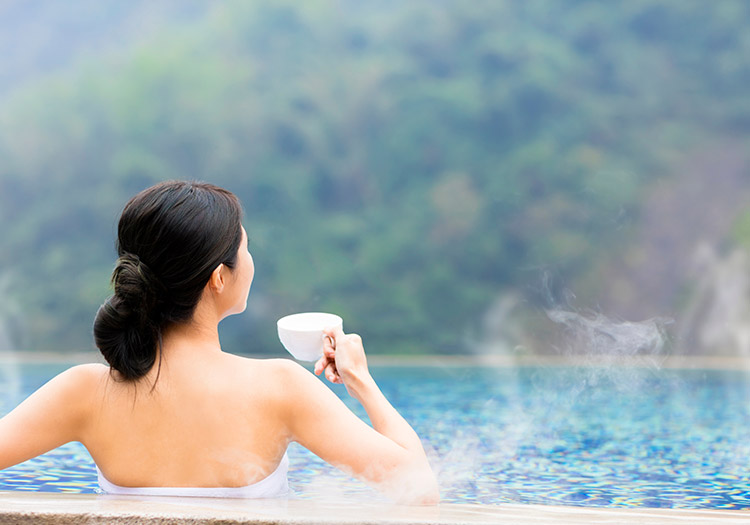
There are practices that move through centuries without needing reinvention. Thermalism belongs to that discreet category of habits that survive because they continue to work, even as contexts change.
At a time when tourism tends toward the accumulation of fast experiences, thermal waters propose a different logic: to pause, to remain, to repeat. It is not an activity to be consumed in an afternoon. It demands time, even a certain willingness to abandon the usual rhythm.
And within that shift, something emerges, something not always sought, yet difficult to ignore once it takes shape.
The Origin of a Practice That Has Not Lost Its Meaning
Since Roman times, thermal waters have been used as spaces for both physical care and social interaction. Ancient thermal baths were not merely places for hygiene, but meeting points where conversations, decisions, and necessary pauses intertwined.
That legacy has not disappeared. It has transformed, adapted to new infrastructures, yet retains a recognizable foundation. The hot mineral-rich water acts on the body progressively. There are no immediate changes, no spectacular short-term results. Everything unfolds gradually, almost imperceptibly.
This slowness, within a context dominated by immediacy, introduces an interesting friction. It forces a reconsideration of what it truly means to rest.
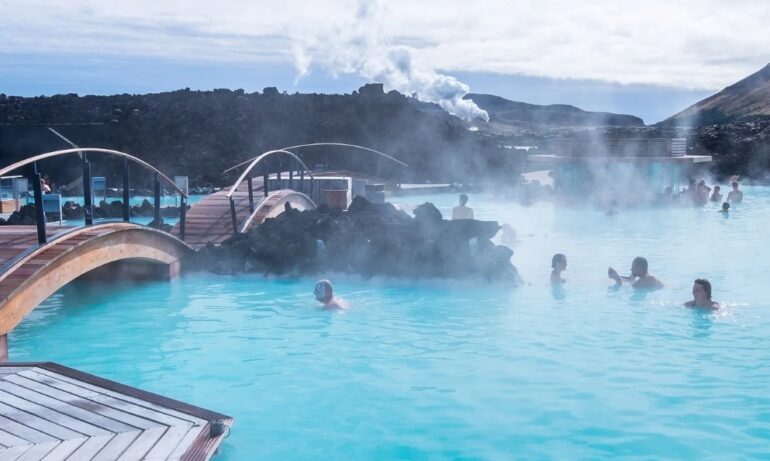
Ischia, a Territory Shaped by Water
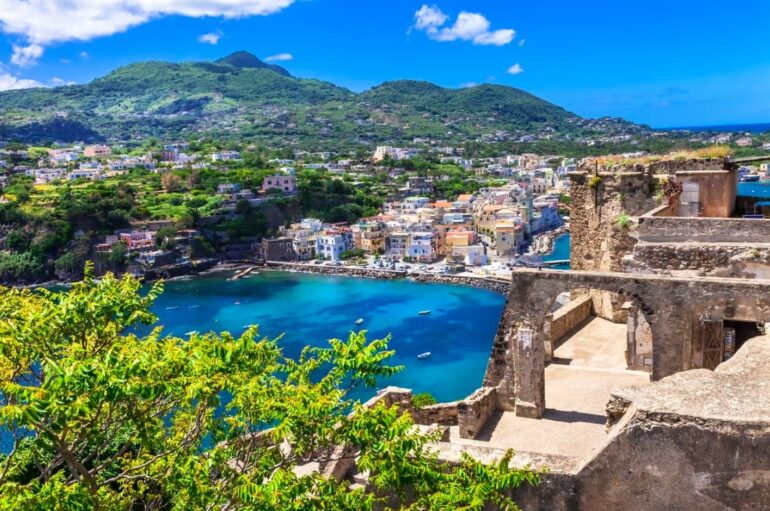
In the Mediterranean, the island of Ischia has become one of the key destinations for those seeking thermal wellness. Its volcanic origin explains the abundance of thermal springs and the variety of mineral compositions found across the territory.
The thermal parks, spread throughout the island, do not follow a single model. Some blend almost invisibly into the landscape; others adopt a more defined structure, with circuits combining pools, saunas, and relaxation areas.
In this setting, places like Hotel Floridiana in Ischia with thermae & spa allow access to this system without the need for constant movement. More than an added service, the thermal component becomes part of the overall experience, as if everything were organized around the presence of water.
Still, Ischia does not end within its facilities. Beyond the complexes, there are spots where water emerges spontaneously, reminding visitors that the island continues to function according to its own rhythm.
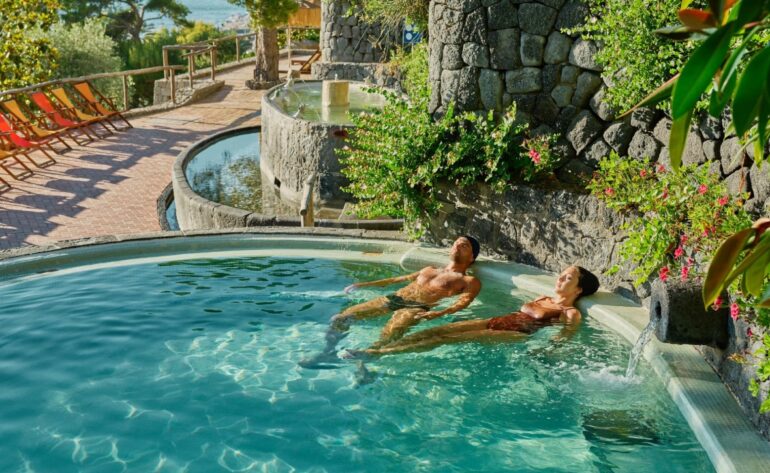
Benefits That Reveal Themselves Over Time
Speaking about the effects of thermalism requires accepting a degree of imprecision. The physical benefits, muscle relaxation, improved circulation, tension relief—are well known, yet they do not always appear immediately.
There is a less visible dimension related to the perception of time. Staying in a thermal environment for several days alters one’s relationship with hours. Routines reorganize around moments of pause, and this reconfiguration gradually affects mental state.
It is not a radical transformation. Rather, a subtle shift that manifests in details: the way one walks, attention to sounds, the manner in which surroundings are processed.
Other Destinations Where Water Sets the Pace
Although Ischia holds a prominent place, Europe offers a wide network of destinations connected to thermal tourism. From historic spa towns in central regions to lesser-known locations in mountainous areas, water remains a structural element.
In some cases, thermal baths are integrated into cities with strong cultural traditions. In others, they appear in natural settings where isolation enhances the experience. Each destination introduces variations but maintains a constant: the need to adapt to a slower rhythm.
This adaptation is not always immediate. It requires letting go of certain expectations and accepting that the value of the journey does not lie in accumulation, but in the repetition of simple gestures.
Between the Body and Attention
Practicing thermalism implies establishing a different relationship with the body. The warm water, the air temperature, the duration of each session, everything shapes an experience that cannot be rushed.
In this process, attention shifts toward aspects that usually go unnoticed: breathing, sensations on the skin, contrasts between spaces. Elements that, in another context, would remain in the background.
Over the days, this sustained attention begins to create a kind of continuity. There is no precise moment when change occurs. It simply happens. And once it does, it becomes difficult to ignore.
Thermalism does not offer immediate answers. It presents conditions that allow something to unfold without force. In destinations like Ischia, this possibility becomes especially evident, even if it never fully explains itself. And perhaps that is where its true appeal lies: in the sense of approaching an understanding that, at the last moment, quietly slips away.