
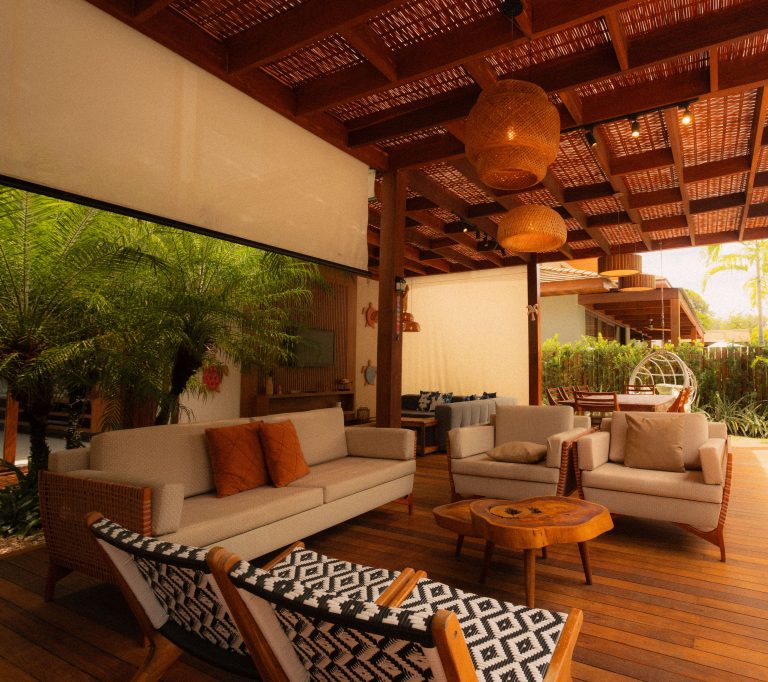
The outdoor spaces that feel best are not necessarily the ones with the most features. They solve ordinary discomfort: harsh sun at dinner, nowhere to put a drink, a patio that feels exposed, or lighting bright enough to make the night feel like a parking lot. The most useful outdoor living trends focus on shade, flexible zones, natural planting, and comfort that lasts beyond a perfect-weather afternoon.
Indoor-outdoor living, with a softer boundary
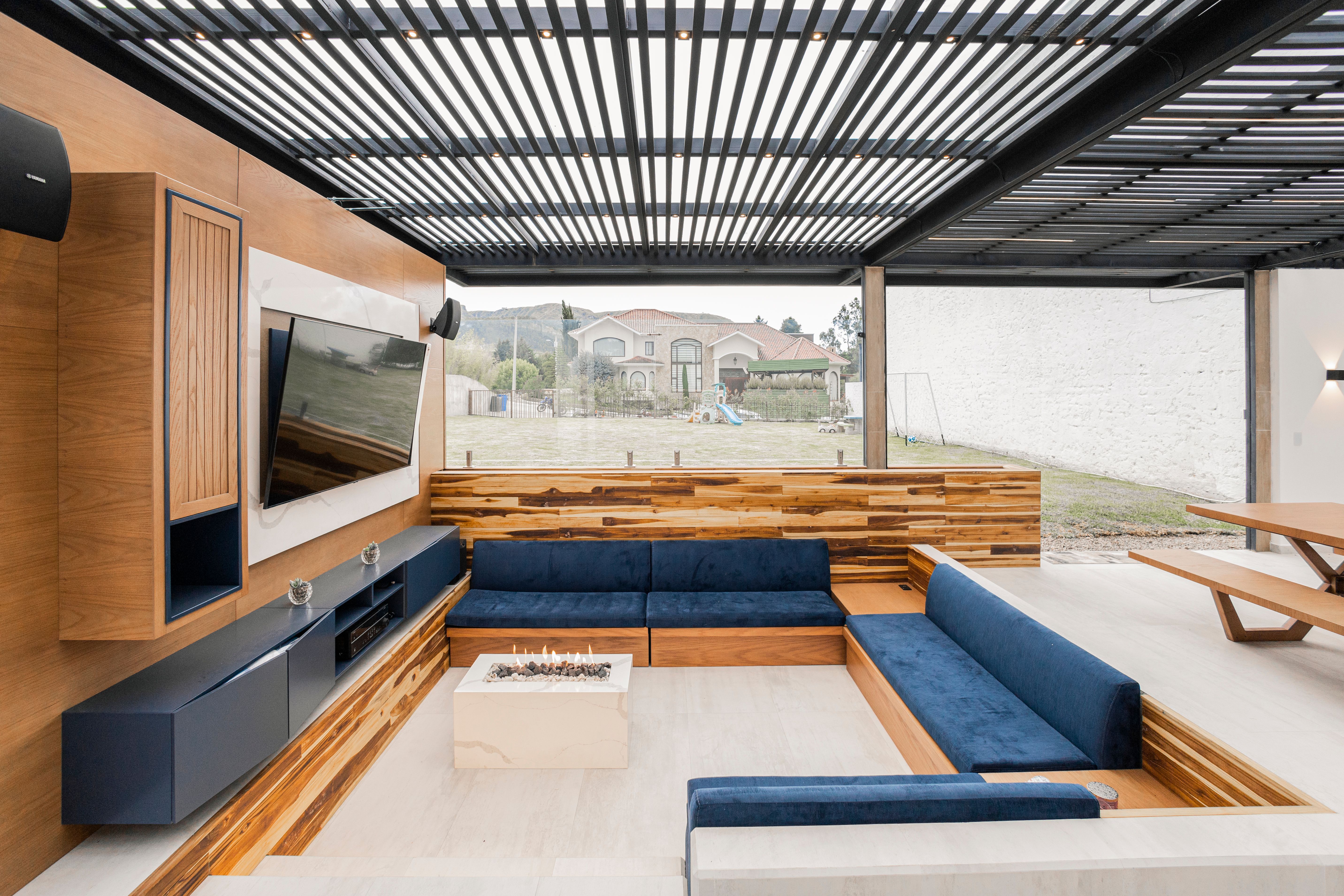
Large doors and matching floor finishes can make a patio feel like another room, but the comfort comes from the transition itself: an easy route outside, somewhere to sit soon after stepping through the door, and materials that tolerate weather. A covered threshold or pergola can help the space feel usable without requiring every furnishing to be fully exposed.
Rather than furnishing the whole patio as one oversized lounge, give it a few clear jobs. A compact dining spot near the kitchen, a deeper seat for reading, and a clear path between them will often work better than a large sectional that dominates the space. Choose pieces that can move or serve more than one purpose, especially on a small deck or balcony.
Shade is the comfort feature that earns its space
Shade is not decoration; it changes whether people want to stay outside. A pergola, retractable awning, umbrella, or thoughtfully placed tree can take the edge off afternoon sun. The U.S. Department of Energy’s Consumer Guide to Home Landscaping notes that air directly beneath trees can be 25°F cooler than air above nearby blacktop. That comparison is to pavement, not a measurement of a particular patio, but it makes the point: reducing exposed hardscape and adding shade can change the feel of a yard.
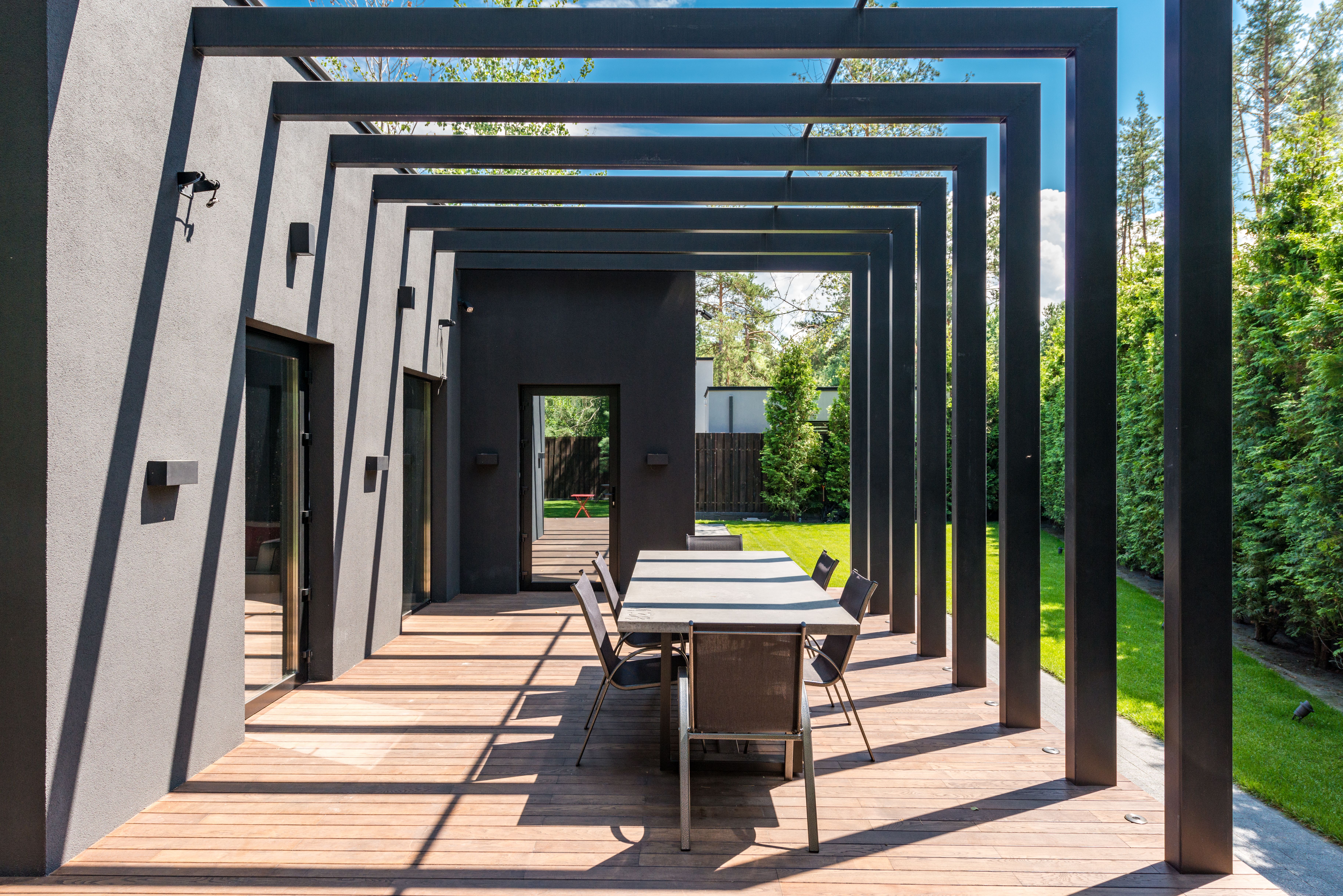
The detail people often miss is the sun’s angle. A small umbrella may shade a table at noon but leave diners exposed later in the day. Before choosing a permanent structure, observe where the sun lands during the hours you actually use the space. Retractable or movable shade is especially useful when seasons and activities change.
Make the yard work in more than one direction
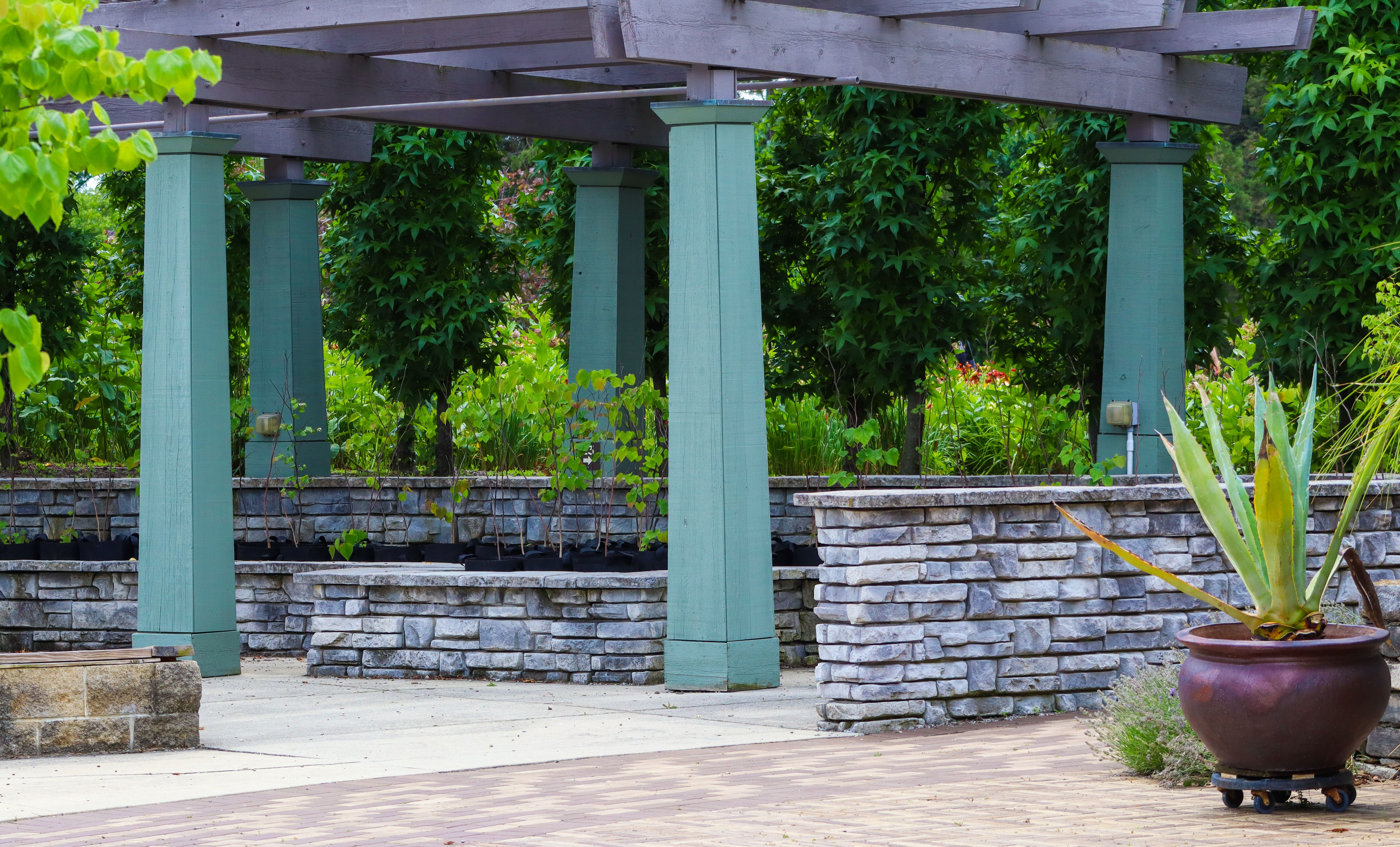
Modern outdoor design is moving away from the all-lawn, all-hardscape choice. A more comfortable yard can keep a practical patch of grass while adding planted edges, containers, or a small garden that softens the view and gives seating a sense of enclosure. The EPA makes a useful counterpoint to the idea that every lawn should disappear: it notes that turf can be valuable for children and pets, even if it takes more maintenance. The right landscape is the one shaped around how the household uses it, as described in the EPA’s landscaping tips.
For a lower-maintenance planting scheme, group plants suited to local conditions and similar water needs. Layered greenery can add privacy without turning the yard into a wall of fencing; where a more defined boundary is needed, choose fencing that complements the home and leaves room for planting to soften its edges.
A fire pit is a gathering point, not a season extender by itself
A fire feature can give an outdoor room a natural center and make the seating arrangement feel intentional. Built-in benches look tidy, but loose chairs are easier to reposition as the group grows or the breeze shifts. Keep the surrounding layout comfortable before adding the feature: clear circulation, a table within reach, and a place for throws or cushions matter more than elaborate stonework.
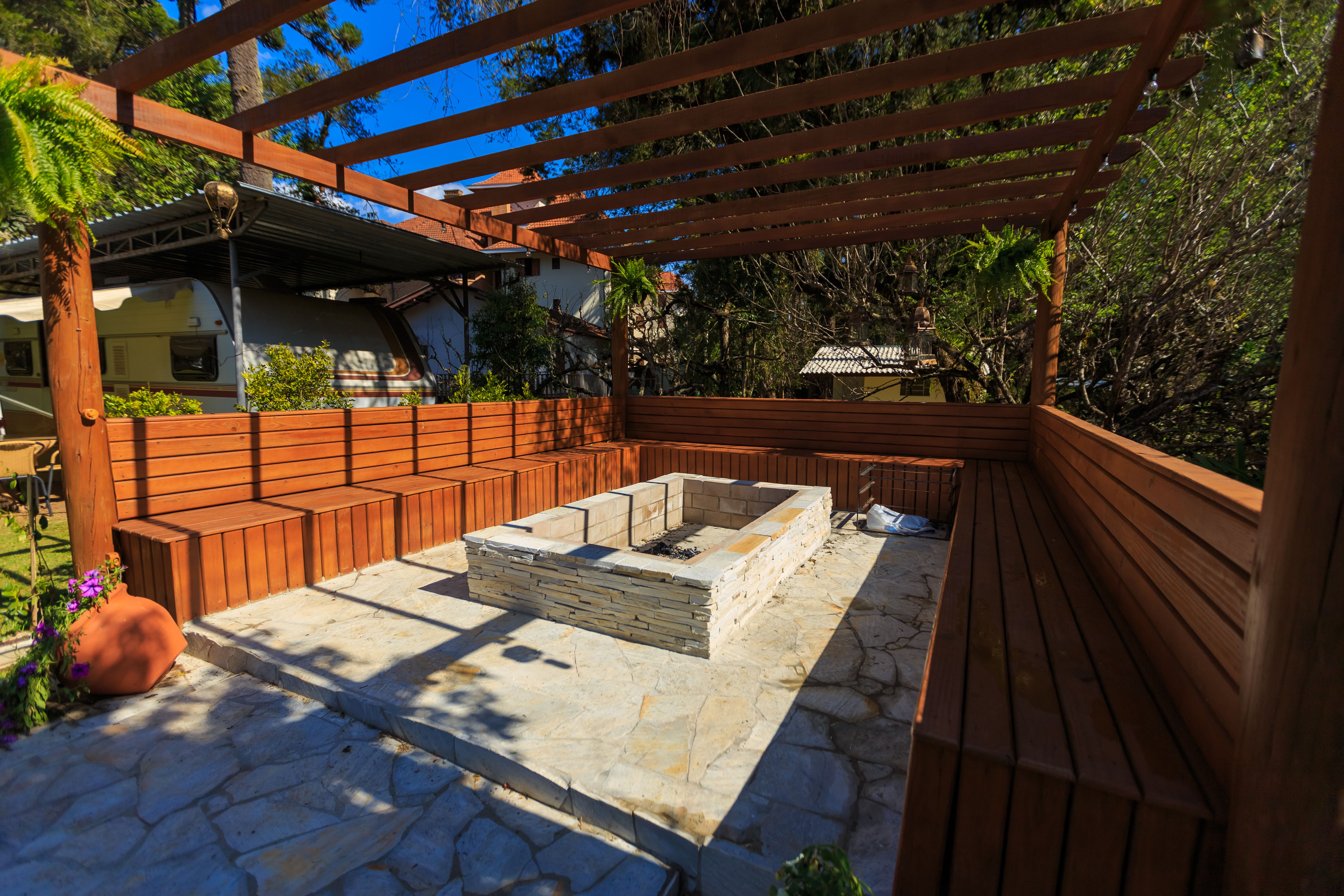
I would not treat a fire pit as a substitute for shade or shelter. It may make a cool evening pleasant, but it cannot solve a scorching afternoon, wind exposure, or rain. Check local fire restrictions and the feature’s clearance and operating guidance before installation.
Lighting that lets the evening stay an evening
Outdoor lighting is shifting from bright perimeter illumination toward smaller pools of light where people walk, cook, or sit. Use a shielded fixture aimed down, keep its brightness modest, and put it on a timer or motion sensor where practical. DarkSky International’s home-lighting guidance recommends warm-colored light at 2700K or lower and lighting only where and when it is needed. That approach is easier on the eyes, creates a calmer patio, and avoids lighting every corner simply because a fixture can.
The larger trend is not a particular chair, finish, or fire bowl. It is designing the outside around real routines: a shaded lunch, a quiet hour with a book, a dinner that does not require moving furniture, and a path that is easy to use after sunset. Start with the discomfort that keeps you indoors, fix that first, and let the decorative choices follow.