
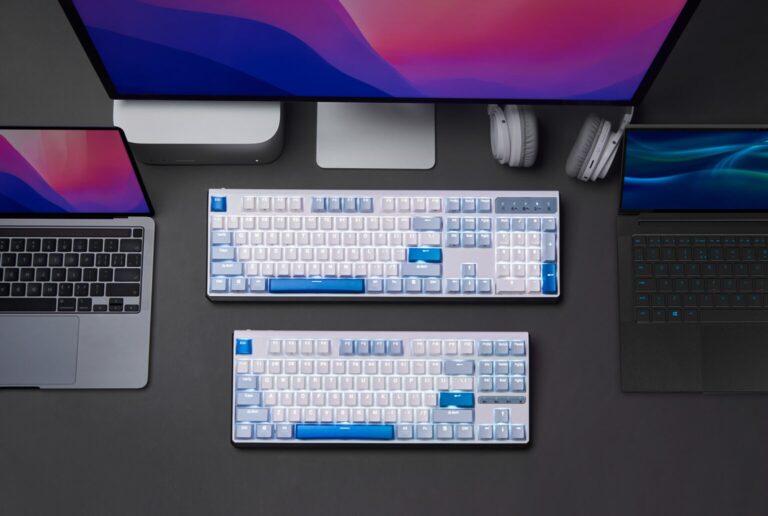
Most people spend hours each day typing emails, documents, messages, or code. Yet surprisingly few people ever adjust the keyboard settings on their device.
Think about it for a moment. You customize your phone notifications, your browser, even the brightness of your screen. But the tool you interact with the most, your keyboard, often stays exactly as it was when you first turned on the device.
The good news is that improving your typing experience rarely requires new hardware. Small changes in keyboard settings can dramatically improve comfort, accuracy, and speed. Once you understand what to adjust and why it matters, typing starts to feel smoother and more natural.
Why keyboard settings matter more than you think
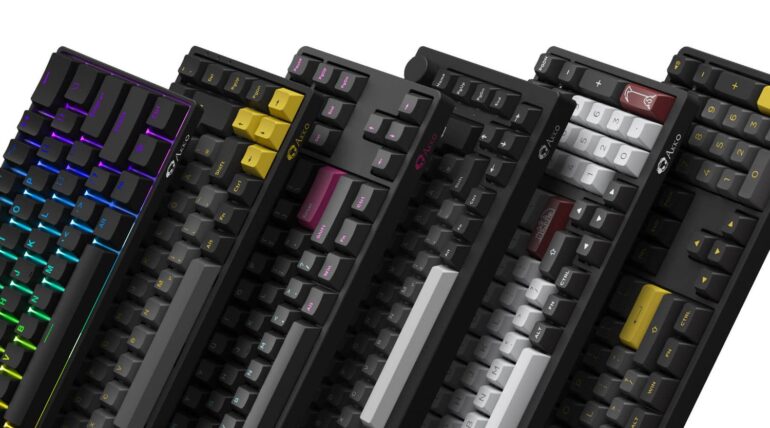
Many people assume typing speed comes purely from practice. Practice helps, of course, but the environment where typing happens also plays a big role.
Default keyboard settings are designed to work for the widest range of users, not necessarily to optimize performance for you personally.
When settings match your habits and language preferences, typing becomes noticeably easier. Letters appear faster, suggestions feel smarter, and errors drop dramatically.
A few areas where keyboard settings influence your experience include:
- Key repeat speed, which determines how fast characters repeat when holding a key.
- Input language configuration, important for multilingual users.
- Predictive text engines, which suggest words while you type.
- Keyboard shortcuts and accessibility options that reduce repetitive movements.
Adjusting these elements does not change how you type fundamentally. Instead, it removes friction that slows you down.
The result often feels subtle at first. After a few days, however, the difference becomes obvious.
Choosing the right input method for faster typing
One of the most important upgrades involves selecting a typing engine that understands your language patterns. Standard system keyboards work fine for basic tasks, but advanced input tools use artificial intelligence to predict words, phrases, and even sentence structure.
A strong example appears when working with Chinese input systems. Many users look for more advanced predictive typing tools that understand context and commonly used phrases.
Typing enthusiasts often choose tools like 搜狗输入法下载 when they want smarter prediction and smoother input flow. The AI engine behind it processes language patterns in real time and offers suggestions that match how people naturally write.
AI engine can anticipate your every thought, making it much faster. Whether it is a quick reply or a longer message, it captures expressive intent accurately and makes typing feel surprisingly effortless.
Switching to a more advanced input system often produces the biggest improvement in typing comfort.
Adjusting key repeat speed and delay
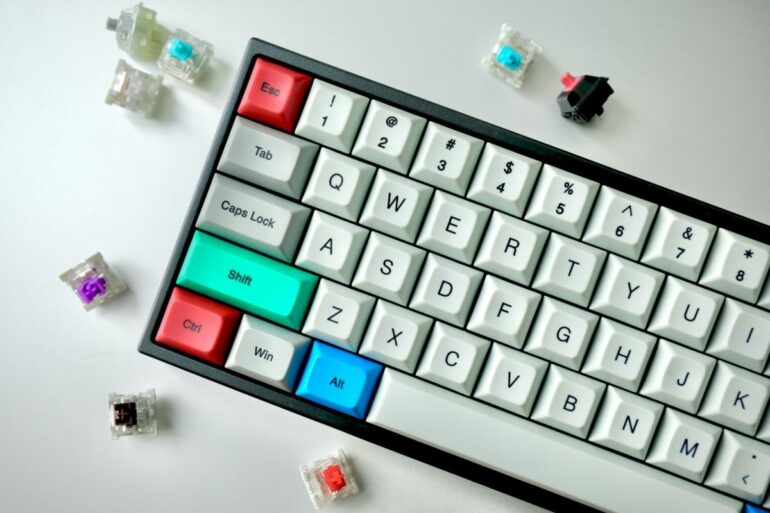
Two settings that dramatically affect typing rhythm are key repeat rate and repeat delay. These determine how the keyboard behaves when a key is held down.
Many operating systems default to conservative values. That protects inexperienced users from accidental repeated characters, but it also slows experienced typists.
The difference becomes clear when you adjust both settings slightly. A faster repeat rate helps navigation keys move through documents more quickly and makes text editing smoother.
Here is a quick comparison of common configurations:
| Setting | Default Behavior | Optimized Behavior |
| Repeat Delay | Slower response when holding a key | Faster activation for editing |
| Repeat Rate | Characters repeat slowly | Rapid response for power users |
| Cursor Movement | Slower navigation | Smooth scrolling through text |
After adjusting these options, spend a few minutes typing naturally. Your fingers quickly adapt to the new rhythm.
Even small improvements in responsiveness can make long writing sessions more comfortable.
Improving accuracy with predictive text and autocorrect
Prediction tools often receive mixed opinions. Some writers love them, while others turn them off immediately. The key lies in tuning the settings properly rather than leaving them at default levels.
Predictive typing works best when it understands your vocabulary and writing style. Most systems learn from previous messages, emails, and documents.
You can improve prediction quality by adjusting these options:
- Enable adaptive learning so the system remembers frequently used words.
- Turn off aggressive autocorrect if it replaces technical terms incorrectly.
- Allow phrase prediction to suggest full expressions instead of single words.
- Add personal vocabulary entries for names, brands, or specialized terminology.
These changes help prediction engines support your writing instead of interrupting it.
Did you know
Research from Microsoft Human Factors Labs showed predictive text can reduce typing effort by 30 to 40 percent during everyday writing tasks.
When configured correctly, predictive tools reduce keystrokes without interfering with your thought process.
Customizing keyboard shortcuts for daily tasks
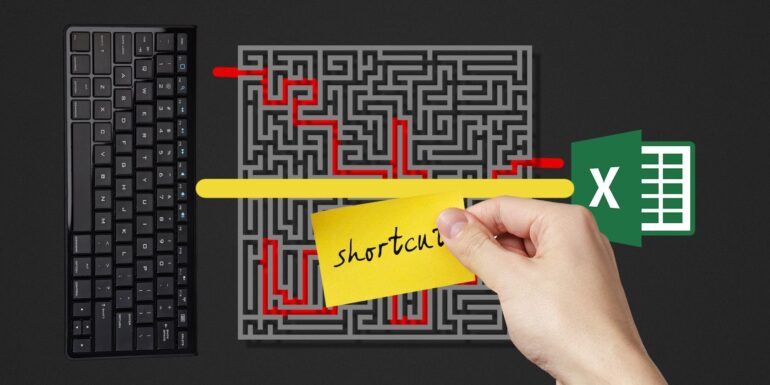
Keyboard shortcuts transform how efficiently you interact with software. Instead of navigating menus with a mouse, shortcuts trigger actions instantly.
Many programs include hundreds of built in shortcuts, but very few users memorize them. The smarter approach involves customizing a smaller set that supports your daily workflow.
Start by identifying repetitive tasks you perform often. These may include formatting text, switching applications, or inserting frequently used phrases.
Common shortcut improvements include:
- Creating custom shortcuts for long phrases or signatures.
- Reassigning unused keys to useful actions.
- Setting system shortcuts for launching favorite apps.
- Using text expansion tools for repetitive responses.
Small efficiency gains accumulate quickly.
A few seconds saved during each task can easily translate into several minutes per hour during heavy typing sessions.
Ergonomic keyboard settings for long typing sessions
Speed and efficiency matter, but comfort is just as important. Poor keyboard ergonomics lead to fatigue and slower typing over time.
Many operating systems include accessibility settings designed to reduce strain. These options often remain hidden in advanced settings menus, yet they provide meaningful benefits.
The National Institute for Occupational Safety and Health notes that adjusting keyboard ergonomics can reduce repetitive strain injuries and improve typing comfort during prolonged computer use.
Consider experimenting with the following adjustments:
- Sticky keys to simplify multi key combinations.
- Filter keys to prevent accidental double presses.
- On screen feedback for key activation.
- Custom layouts for alternative typing positions.
Comfort improvements may not increase typing speed immediately. Over time, however, reduced fatigue allows longer periods of focused writing.
Final thoughts
Improving your typing experience rarely requires expensive equipment or advanced technical knowledge. Most improvements come from small adjustments hidden in keyboard settings that many users never explore.
Choosing a smarter input method, adjusting repeat speed, improving predictive typing, and customizing shortcuts all contribute to smoother and faster typing. Ergonomic settings also play a role by keeping hands comfortable during long writing sessions.
Once these settings match your habits, typing stops feeling mechanical. Words appear more naturally, errors decrease, and your thoughts flow directly onto the screen.
A few minutes spent customizing keyboard settings today can easily make thousands of keystrokes tomorrow feel easier and faster.