
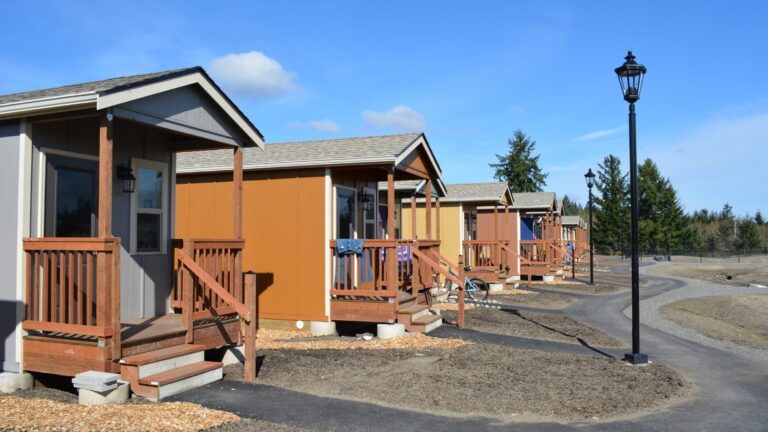
Have you ever noticed how people fall in love with the idea of a tiny house, but as soon as they get excited… comes the real question: “Where do you actually put it?”
It sounds simple, but in reality it shapes comfort, legality, costs, daily convenience, and long-term happiness more than the interior design ever will.
A tiny house is not just a structure. It is a lifestyle choice tied to zoning laws, utilities, community comfort, privacy, and access to real life needs.
That is why understanding real-world locations where people successfully place them makes everything much clearer.
Let us talk about the places that actually work, why they work, and what you should realistically expect.
Putting Tiny Houses On Private Land
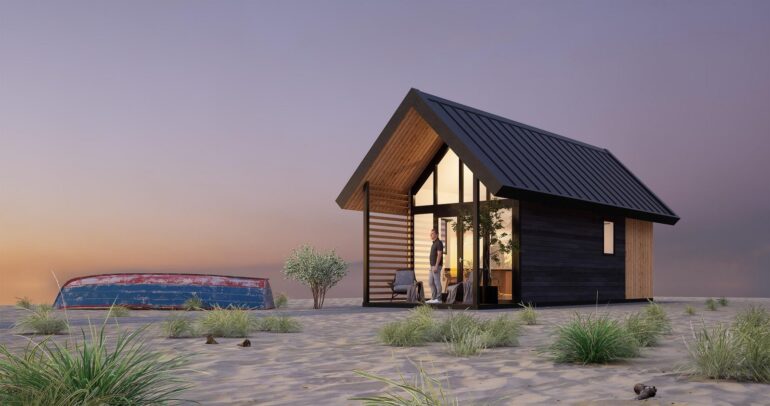
Before anything else, this is the dream scenario most people imagine: your own land, fresh air, space, peace, and total control.
Placing a tiny house on private land feels like freedom, but it works best when zoning and utility planning are handled properly. It means checking local rules, understanding hookup options, thinking about access, and planning around climate and terrain.
Why it works well:
- Full control of space and layout
- Privacy and long-term stability
- Ability to expand, add decks, sheds, or gardens
- Feels like a permanent lifestyle, not a temporary setup
Many regions allow tiny houses as ADUs or secondary dwellings, but always confirm local zoning regulations before committing. Rules vary dramatically between counties and cities.
Parking Tiny Houses In Backyards Of Existing Homes
This is one of the most practical and quietly popular solutions for tiny living. Many people place a tiny house in a family member’s or friend’s backyard, or homeowners rent backyard space to tiny house owners.
It feels like a small community setup and often bypasses the emotional and financial stress of buying land immediately.
People browsing tiny homes for sale often choose this route because it lets them start living sooner, while still planning a bigger future step if they want.
Backyard placement often means easier access to utilities, safer neighborhoods, and better integration into regular city or suburban life.
Backyards work because:
- Utilities are easier to connect
- It keeps loved ones close without sharing a house
- It can legally qualify under accessory dwelling rules in many areas
- It feels less isolated than remote land living
Renting Space In Tiny House Communities
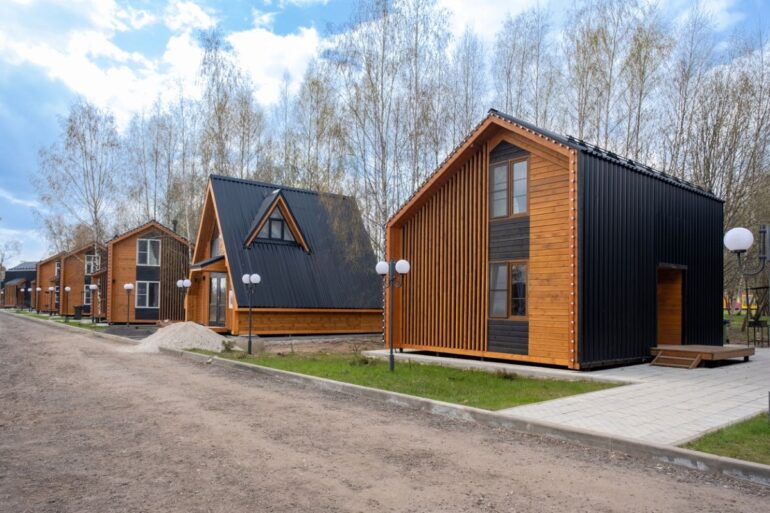
Tiny house communities are growing for a reason: they solve multiple problems at once.
Owners get legal placement, structured utilities, a sense of belonging, and neighbors who understand the lifestyle. Instead of fighting zoning alone, communities do the hard work and you enjoy the benefits.
Some are minimalist and rural, others are polished, social, and filled with amenities.
Typical advantages include:
- Pre-approved legal living arrangements
- Shared facilities like laundry or recreation areas
- Built-in social support from people living the same lifestyle
- Often safer and more organized than going solo
Definition to keep in mind:
A tiny house community is a planned residential area where multiple tiny houses are intentionally grouped, offering shared infrastructure and zoning compliance.
Living here feels intentional. It becomes a lifestyle, not a compromise.
Tiny Houses On RV Parks And Campgrounds
This is another reality people rarely understand until they start researching seriously.
Tiny houses are often placed in RV parks because many are legally classified similarly to RVs.
That means existing utility hookups, established parking systems, and locations close to towns, workplaces, and nature.
Below is a simple snapshot overview:
| Why RV Parks Work | What To Consider |
| Pre-installed hookups | Monthly rental costs |
| Generally legal for movable units | Stay duration limits in some parks |
| Community and security | Noise levels depending on location |
| Often scenic locations | Weather exposure in open areas |
RV parks give flexibility. They are especially great for people who want mobility, seasonal living, or a transitional phase while figuring out long-term plans.
Rural Placement On Agricultural Or Semi-Remote Properties
Some of the most peaceful tiny house setups exist in rural areas.
Large properties, nature, space to breathe, quiet mornings, and fewer zoning battles compared to big cities.
Many people rent a slice of farmland, place a tiny house there, and live beautifully balanced, simple lives.
It is ideal for those who want privacy, nature, creativity, and a stronger connection to their surroundings.
However, rural living works for specific reasons:
- Fewer neighborhood restrictions
- Often more relaxed attitudes toward alternative housing
- More physical room to build outdoor areas, gardens, or workshops
- Incredible peace and mental renewal
Things to think about
- Access to groceries, healthcare, schools, and work
- Strong internet availability
- Road access and seasonal conditions
- Emergency services distance
When done right, this placement feels like pure freedom.
Urban And Suburban Tiny House Placement
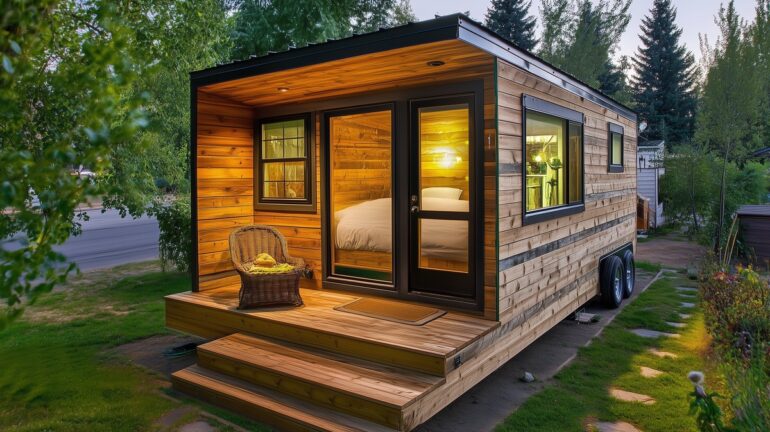
Tiny houses in urban and suburban environments are absolutely possible, but they require much more strategy.
Some cities are embracing accessory dwelling units and flexible housing. Others are still learning.
The benefit is access to everything: work, entertainment, medical care, social life, and infrastructure.
Urban placement tends to succeed when:
- The city allows ADUs legally
- The tiny house follows building and safety standards
- It blends visually with the neighborhood
- Parking, sewage, and utilities are responsibly planned
This works best for people who do not want isolation. It balances tiny living with regular convenience, modern lifestyle needs, and long-term stability.
Seasonal, Temporary, Or Transitional Tiny House Placement
Not everyone moves into a tiny house forever.
Some use it as a transition lifestyle, seasonal stay, or flexible housing during life changes such as career shifts, relocations, or downsizing experiments.
That is why short-term placement solutions like leased land plots, temporary property rentals, or seasonal communities remain a powerful part of the tiny house world.
Real strengths of temporary placement:
- Lower commitment pressure
- Ability to test locations before settling
- Great for digital nomads or people between chapters in life
- Allows lifestyle exploration without being locked in
Tiny living does not need to feel final. Sometimes the best placement is one that gives you room to evolve.
What All Successful Tiny House Locations Have In Common
When you look closely, the best tiny house placements are not random. They share repeating traits that explain why they work in real life.
It is never just “nice scenery” or “good price”. It is structure, legality, safety, emotional comfort, and sustainability.
Most successful placements share:
- Legal clarity
- Reliable utilities
- Reasonable access to town life
- A supportive or accepting environment
- Enough personal space to feel like home
Tiny houses thrive where planning meets realistic living.
Final Thoughts
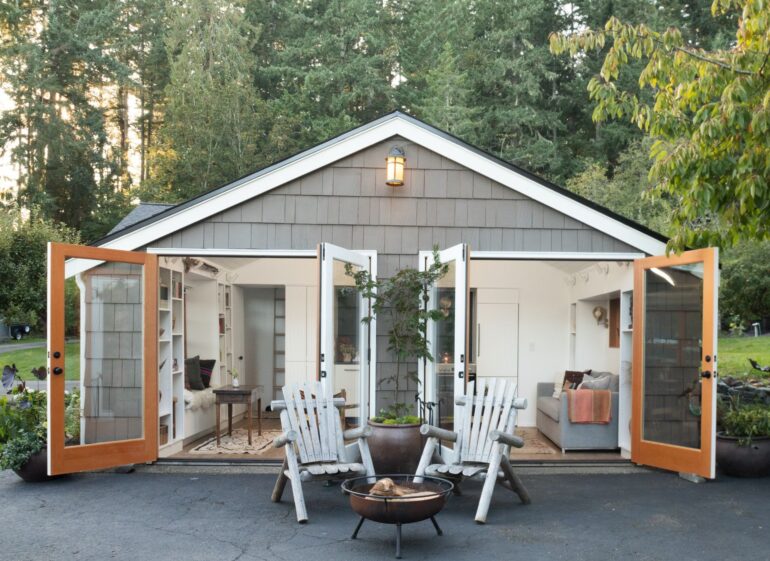
Placing a tiny house is not about finding a random empty spot. It is about choosing a location that supports your lifestyle, emotional comfort, daily needs, and long-term plans.
Whether that is private land, a backyard, a tiny house community, an RV park, rural space, urban living, or temporary placement, each location works for specific reasons.
When you understand those reasons, the entire concept stops feeling abstract and finally becomes real, practical, and achievable.
Frequently Asked Questions
Can you legally live full time in a tiny house everywhere?
No. Laws vary widely by city, county, and country. Some places fully support tiny living, others restrict it. Always research zoning, building codes, and local regulations before committing.
Do tiny houses always need permanent foundations?
Not always. Some are built on wheels and classified similarly to RVs, while others are placed on foundations and treated like accessory dwellings or small residential homes. The legal category often determines your placement options.
Is it expensive to keep a tiny house on someone else’s land?
It depends on location and agreement. Some people pay symbolic rent to family. Others pay structured monthly fees similar to renting a small apartment space. Costs usually relate to utilities, location, and land value.
Do tiny house communities require ownership or can you just rent a spot?
Both exist. Some communities allow you to own your lot. Others rent spaces like RV parks. Each setup offers different benefits in stability and flexibility.
Is it difficult to connect utilities to a tiny house?
It can be simple or complex depending on the placement. Backyards and communities are typically straightforward. Private raw land requires planning, permits, and investment in infrastructure.