

In 2026, solo travel is no longer a niche trend. Industry data from multiple global booking platforms shows that nearly half of international trips are now booked by solo travelers, many of them choosing flexibility over fixed itineraries.
Traveling alone brings freedom, but it also puts every decision squarely on your shoulders. Flight timing, hotel location, cancellation rules, and digital safety all matter more when there is no backup plan.
Smart booking is no longer about chasing the cheapest deal. It is about reducing friction, protecting your time, and staying in control from the moment you click confirm to the moment you return home.
Solo travel in 2026 rewards preparation. Technology helps, but judgment still matters. The sections below focus on practical strategies that real solo travelers rely on, especially when navigating busy international hubs, long distance flights, and unfamiliar cities.
Booking flights with flexibility instead of chasing the lowest fare
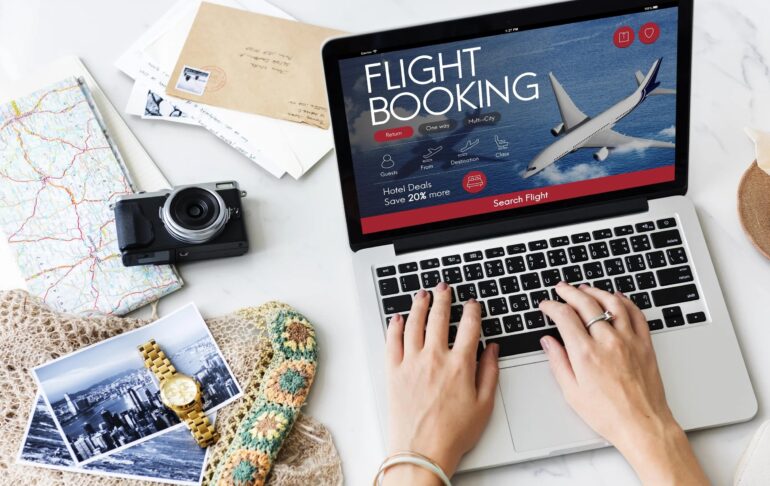
Flight booking has changed significantly in recent years. Algorithms now personalize prices based on browsing behavior, location, and demand spikes. For solo travelers, flexibility often matters more than shaving off a small amount from the ticket price. Choosing flights with free or low cost changes can save far more money and stress if plans shift.
When booking flights for solo travel in 2026, experienced travelers usually focus on the following factors.
- Midweek departures tend to offer better seat availability and calmer airports
- Flexible date calendars reveal cheaper combinations without constant searching
- Mixed cabin options can lower cost on long haul routes
- Airlines with strong self service rebooking tools reduce stress during delays
Solo travelers also benefit from booking directly with airlines rather than third party resellers. Direct bookings make it easier to resolve issues quickly, which matters when you are handling disruptions alone in a foreign airport late at night.
Choosing destinations that balance energy and personal comfort

Solo travel does not mean isolation. Many travelers choose cities that offer constant movement, reliable infrastructure, and options to socialize or stay private. Large cities in India, Southeast Asia, and Europe remain popular in 2026 because they provide transport density, food variety, and accommodation at every price level.
For example, travelers passing through western India often stop in Mumbai because it operates as a major flight hub with excellent hotel inventory. Some solo travelers researching nightlife and adult oriented entertainment can stumble upon Mumbai call girls while browsing local services. The key point is awareness and discretion. Large cities offer everything, and solo travelers benefit from understanding local norms, neighborhoods, and safety expectations before booking accommodation nearby.
Choosing the right area to stay within a city matters as much as choosing the city itself. Walkability, late night transport, and hotel security policies should always factor into your booking decision.
Hotels in 2026 and why solo travelers should think beyond stars
Star ratings alone no longer tell the full story. In 2026, solo travelers rely more on detailed reviews, neighborhood insights, and hotel policies than traditional classifications. A three star hotel with 24 hour reception, modern locks, and clear guest policies often feels safer than a luxury property with inconsistent service.
Before booking a hotel, solo travelers usually examine specific elements that directly affect comfort and safety.
- Front desk availability at all hours
- Room access systems such as keycards or mobile entry
- Clear guest and visitor policies
- Location relative to public transport and late night services
Another often overlooked factor is room layout. Solo travelers benefit from rooms that feel open, well lit, and not isolated at the far end of corridors. Photos uploaded by real guests are often more revealing than official listings, so scroll past the promotional images and read the details carefully.
Using comparison tools without losing control of your data

Price comparison platforms remain useful, but they should be used strategically. Constant searching can trigger dynamic pricing increases, especially for flights. In 2026, many solo travelers use comparison tools in private browsing mode or on secondary devices to avoid price inflation based on repeated searches.
A smart approach involves separating research from booking. Research prices broadly, then book directly with the airline or hotel once you are confident. Many hotels now match third party prices while offering better cancellation terms when booking directly.
Below is a simple comparison of booking approaches that solo travelers commonly evaluate.
| Booking Method | Flexibility | Support Quality | Best Use Case |
|---|---|---|---|
| Direct airline booking | High | Airline managed | Flights with possible changes |
| Direct hotel booking | Medium to high | On site staff | Urban stays and longer visits |
| Third party platforms | Low to medium | Platform dependent | Short stays with fixed plans |
Using tools wisely helps you stay informed without giving up control of your booking experience.
Understanding local laws, norms, and gray zones as a solo traveler
One reality of solo travel is exposure to situations that group travelers rarely encounter. Local laws, cultural norms, and informal industries vary widely by country and city. Staying informed protects you from misunderstandings that can disrupt your trip.
In eastern India, cities like Kolkata attract solo travelers interested in culture, literature, and history. While researching the city, some travelers may encounter Kolkata call girls alongside other local services. Awareness matters more than participation. Understanding what exists in a city helps travelers choose accommodation locations wisely and avoid uncomfortable situations.
Solo travel in 2026 favors travelers who respect local boundaries, understand regulations, and remain discreet. Preparation reduces risk and allows you to focus on the purpose of your journey rather than unexpected complications.
Digital safety, payments, and why backups are essential

Technology makes solo travel smoother, but it also introduces vulnerabilities. Losing access to your phone, email, or payment apps can derail a trip instantly. In 2026, experienced solo travelers prepare digital redundancies before departure.
A reliable setup usually includes the following steps:
- Cloud backups of travel documents and IDs
- At least two payment methods stored separately
- Offline access to hotel confirmations and maps
- A secondary email account for bookings
Digital safety also extends to public WiFi usage. Solo travelers increasingly rely on mobile data plans or eSIMs instead of unsecured networks. Protecting your digital identity is part of protecting your physical safety, especially when traveling alone.
Did you know?
Many airlines and hotels now accept biometric verification, but backups remain essential because system outages still occur during peak travel periods.
Timing your bookings for calm arrivals and smoother transitions
Arrival timing plays a larger role for solo travelers than for groups. Landing in an unfamiliar city late at night can increase stress and limit transport options. In 2026, many solo travelers prioritize arrival windows that allow daylight navigation and easier hotel check in.
Flights arriving between late morning and early evening provide better access to public transport, ride services, and hotel staff availability. Similarly, hotel check in times should align with your arrival to avoid waiting in public spaces with luggage.
Smart booking also includes buffer days. Leaving a free day between long flights and major activities allows your body and mind to adjust. Solo travel becomes far more enjoyable when you remove unnecessary pressure from the schedule.
Building confidence through structure rather than rigid planning

Solo travel thrives on balance. Overplanning kills spontaneity, while underplanning increases risk. In 2026, successful solo travelers build flexible frameworks rather than rigid itineraries.
Booking flights and hotels early creates a stable foundation. Leaving daily activities open allows room for rest, social encounters, or unexpected discoveries without stress. Structure provides safety, while flexibility preserves joy.
Many solo travelers also book their first night in a higher quality hotel, even if they switch to simpler accommodation later. Starting strong helps set the tone for the entire trip and builds confidence in a new environment.
Closing thoughts
Solo travel in 2026 rewards travelers who think beyond price tags and focus on control, safety, and comfort. Smart booking is not about perfection. It is about reducing friction so you can be present in the journey itself. Flights with flexibility, hotels chosen for location and policies, and awareness of local realities all shape the experience.
Traveling alone sharpens judgment and builds self trust. When bookings support your needs instead of adding stress, solo travel becomes empowering rather than exhausting. The smartest trips begin long before departure, with thoughtful decisions made quietly and confidently at the booking stage.